Your Camera Face: Building a Wardrobe That Works On Screen and Off
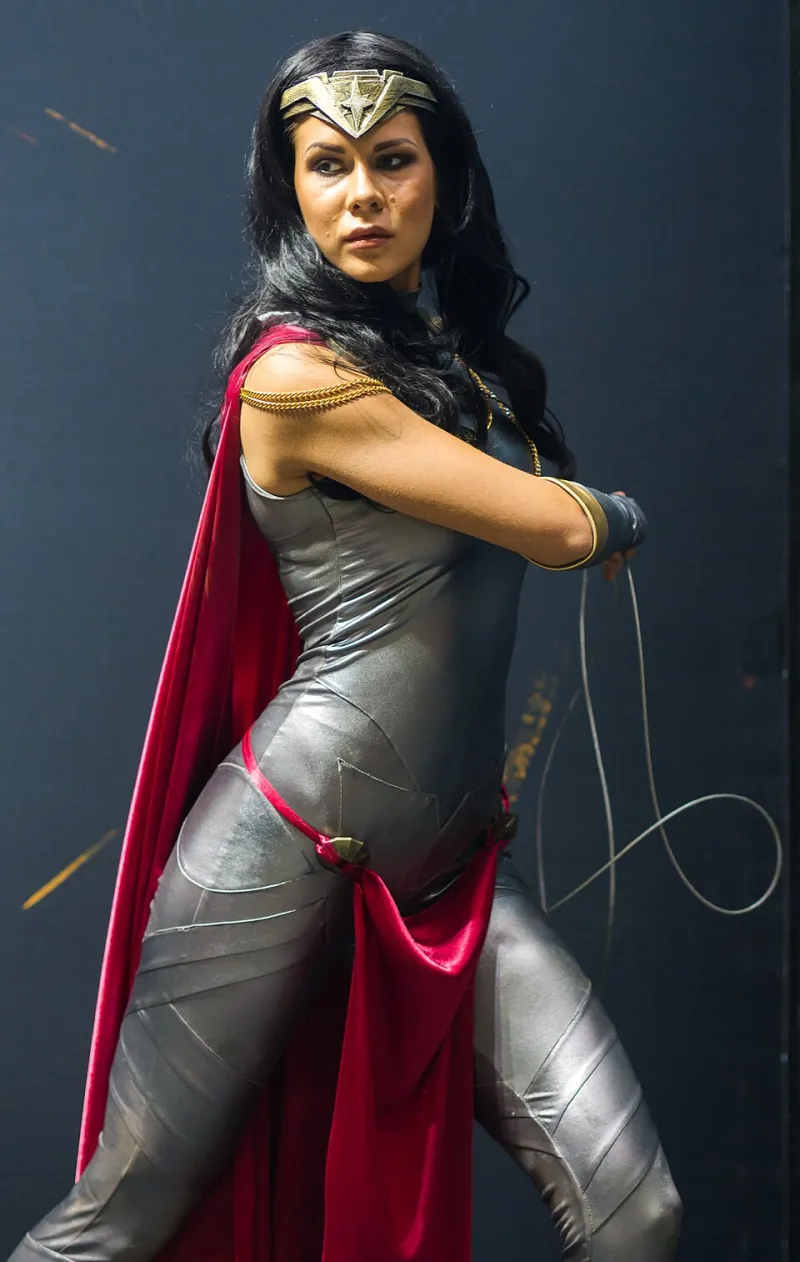
Photo: Sergey Galyonkin from Raleigh, USA, CC BY-SA 2.0, via Wikimedia Commons
Let's talk about the thing nobody put in the style guide: somewhere in the last five years, most of us started getting dressed for an audience of one lens.
The morning video call. The virtual panel. The Instagram story you film in the car before pickup. The front camera your daughter commandeers to show you her outfit. Whether we signed up for it or not, we are all broadcast now, at least in fragments. And the wardrobe rules we inherited — built for conference rooms, church pews, and dinner parties — don't fully cover it.
I have opinions about this. Let me share them.
The Camera Is a Terrible Mirror (But We Dress for It Anyway)
Here's what the camera does to clothes: it flattens them. Texture, depth, the subtle dimension that makes a well-made garment look expensive in person — all of it compresses into two dimensions. Fine details disappear. Colors shift. A beautifully structured blazer can read as a shapeless dark rectangle on a 1080p call.
Meanwhile, the camera exaggerates other things. Contrast reads stronger. Patterns can moiré and strobe on screen. And everything above the collarbone — your face, your necklace, your earrings — becomes the entire show.
Once you understand this, you can stop fighting it and start using it.
Color, Texture, and the Fifteen-Inch Frame
If your life includes a screen, these three levers matter more than most:
Color: The camera loves mid-tones and clear colors — think forest green, rust, cobalt, burgundy. Stark black next to your face can read harsh and drain you; pale pastels can blow out under webcam exposure. This isn't about rules for your coloring; it's about what survives compression. Test it: put on two shirts, film yourself for ten seconds, and compare. You'll see it immediately.
Texture: Because the camera flattens, texture has to work harder. A smooth silk blouse can look like polyester on a call, while a slubby linen, a chunky knit, or a seersucker reads as intentional and rich. If you want to look considered on screen, choose texture over sheen.
Proportion: The frame cuts you off around the waist, which means your top half is your outfit — but your silhouette still matters. Volume on top needs a defined shoulder or a tucked point somewhere, or the rectangle camera adds ten visual pounds of shapelessness. Structure is your friend when the pixels are against you.
The Top-Half-Only Trap
Now, the part I want to push back on.
It's tempting — so tempting — to solve the camera problem by only dressing from the waist up. Great blouse, statement earrings, and pajama pants out of frame. I've done it. You've done it. We're not going to pretend otherwise.
But I've come to believe the half-dressed strategy costs more than it saves. There's a psychological slippage that happens when part of you is 'on' and part of you isn't. You feel like a costume from the neck up. And then life does what life does — you have to stand up mid-call, the dog needs walking, someone drops by — and suddenly you're negotiating your own house like it's a security checkpoint.
Dressing wholly isn't about being camera-ready for an imagined audience. It's about being a whole person in your own day. The camera strategy should layer onto a real outfit, not replace one.
Building the Dual-Purpose Wardrobe
The goal, as I see it, is clothes that work in the room and on the screen, so you never have to choose. A few principles I style by:
- Invest in necklines. A good collar, a boatneck, a soft V — these frame your face on camera and look sharp in person. They do double duty every single day.
- Keep one 'screen color' in rotation. Everyone has one or two shades that reliably make them look alive on camera. Learn yours and keep it in heavy rotation for days that matter.
- Choose matte over shine. Shiny fabrics catch webcam light in unflattering ways and cheapen on video. Matte textures photograph like quality.
- Skip tiny prints and thin stripes. They're the first casualty of compression. Scale your patterns up if you want them to survive.
- Dress the full outfit anyway. Even on the days you think no one will see. Not for them — for the way it changes how you sit, speak, and take up your own morning.
A New Kind of Dressing Well
I don't think the camera ruined fashion. Honestly, I think it made us more literate. We notice necklines now. We understand contrast. We've all become accidental students of color theory because we got tired of looking washed out on Zoom.
The trap is only letting the lens dictate the whole relationship. The camera is one room in your life, not the house. Dress for the house — and make sure the outfit happens to photograph well while it's at it.