Stop Chasing the Perfect Ten: Why Your Wardrobe Deserves More Credit Than That
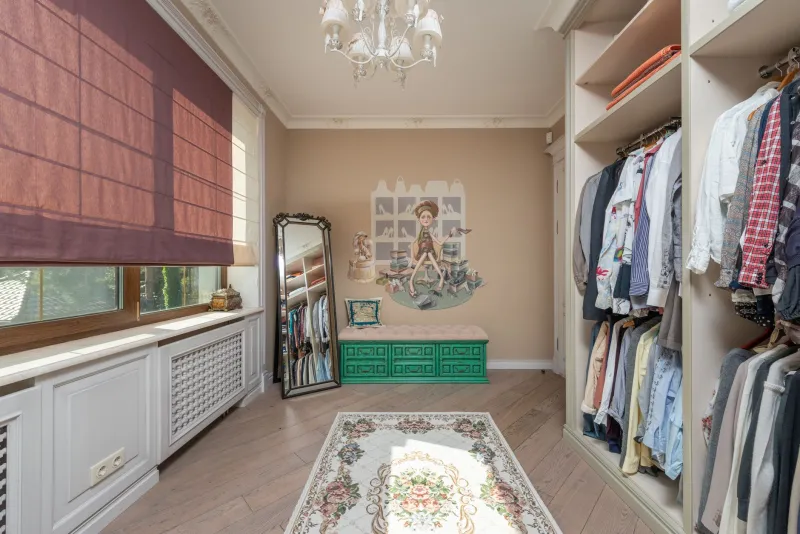
Somewhere between the minimalism wave of the early 2010s and the endless "33 items, 3 months" challenges flooding your feed, the capsule wardrobe went from liberating concept to quiet source of shame. If you've ever stood in front of a closet full of clothes and still felt like you were doing it wrong — this one's for you.
The original idea was good, honestly. Strip back the noise. Buy less. Choose quality. Stop the cycle of impulse buying and morning-panic outfits. All of that? Still solid advice. But somewhere in the translation from principle to practice, the capsule wardrobe became a rigid formula — a numbered checklist of neutral basics that promised a perfectly edited life if you could just get it right.
Spoiler: most of us can't. And that's not a personal failing.
The Problem With "Perfect"
The classic capsule wardrobe model assumes a kind of life that very few people actually live. It imagines a person with a single, consistent aesthetic, a predictable weekly schedule, and a climate that cooperates. It does not account for the woman who works in a corporate office Monday through Wednesday, runs errands and does school pickup Thursday, and then goes to a gallery opening Friday night. It doesn't account for the fact that you live in Chicago, where you might experience four seasons in a single week in March.
When the formula doesn't fit, people don't question the formula — they question themselves. They think they just haven't found the right white button-down yet, or that they need to commit harder to a color palette. The capsule wardrobe myth isn't that simplicity is bad. It's that simplicity has been sold as a one-size-fits-all solution when your life is anything but one-size.
Strategic Repetition Is Not a Flaw
Here's something the minimalist wardrobe crowd doesn't love to talk about: owning multiples of something you love is a completely rational choice. If you found a pair of straight-leg jeans that fits perfectly, flatters your body, and works with everything in your closet, buying two pairs — or even three — isn't a lack of discipline. It's smart.
Strategic repetition means leaning into what genuinely works for your life rather than forcing variety for variety's sake. Maybe you wear a blazer five days a week because your job requires it. Owning three blazers in slightly different weights and cuts isn't excess — it's function. The capsule wardrobe model tends to penalize this kind of intentional duplication because it doesn't photograph well, but your actual morning routine will thank you.
Think about it the way a chef thinks about a knife collection. A good chef doesn't own just one knife because minimalism is virtuous. They own the right knives for the jobs they actually do. Your wardrobe works the same way.
Intentional Gaps Are Part of the Design
Here's the flip side: a wardrobe that truly serves you is also allowed to have gaps — and those gaps can be intentional. Not every occasion needs to be pre-dressed for. Not every potential event requires a standing outfit in your closet. Part of the pressure that capsule wardrobe culture creates is this sense that you need to be prepared for everything, all the time, with exactly the right piece already hanging in your closet.
But some gaps are actually fine. If you go to black-tie events twice a decade, you don't need to own a floor-length gown. That's what rental services like Rent the Runway exist for. If you only hike in the summer, your outdoor gear can live in a bin under the bed, not prime closet real estate. Knowing the difference between a true gap — something you need and don't have — and a manufactured gap created by someone else's wardrobe formula is one of the most freeing things you can do for your relationship with your closet.
Lifestyle Nuance Is the Real Variable
The wardrobe that works for you is deeply personal. It's shaped by your actual calendar, your physical environment, your body, your job, your social life, and yes — your personal taste. No editorial list of "ten things every woman needs" can account for all of that.
Building a wardrobe that adapts to how you live means starting with honest observation rather than aspirational shopping. Spend a week tracking what you actually reach for. Notice which categories feel thin and which feel overcrowded. Ask yourself not "does this fit a capsule formula?" but "does this fit my formula?"
Your formula might mean owning seven versions of a striped shirt because that's genuinely your uniform and you love it. It might mean keeping a few fast-fashion pieces around for trend moments while investing heavily in outerwear that lasts a decade. It might mean a wardrobe that looks nothing like a Pinterest flatlay and everything like a real person's life.
The Actual Goal
The point was never to own fewer things. The point was to own better things — things that work harder, that you actually use, that don't create decision fatigue or contribute to mindless consumption. That goal is still worth chasing.
But "better" is contextual. A wardrobe built around your real lifestyle, with room for strategic repetition and intentional gaps, will always outperform a wardrobe built around someone else's ideal number. Give yourself permission to design a closet that reflects how you actually live — not how you think you're supposed to.
That's the version of conscious dressing I'm here for.