The Main Character of Winter Is Hanging by the Door
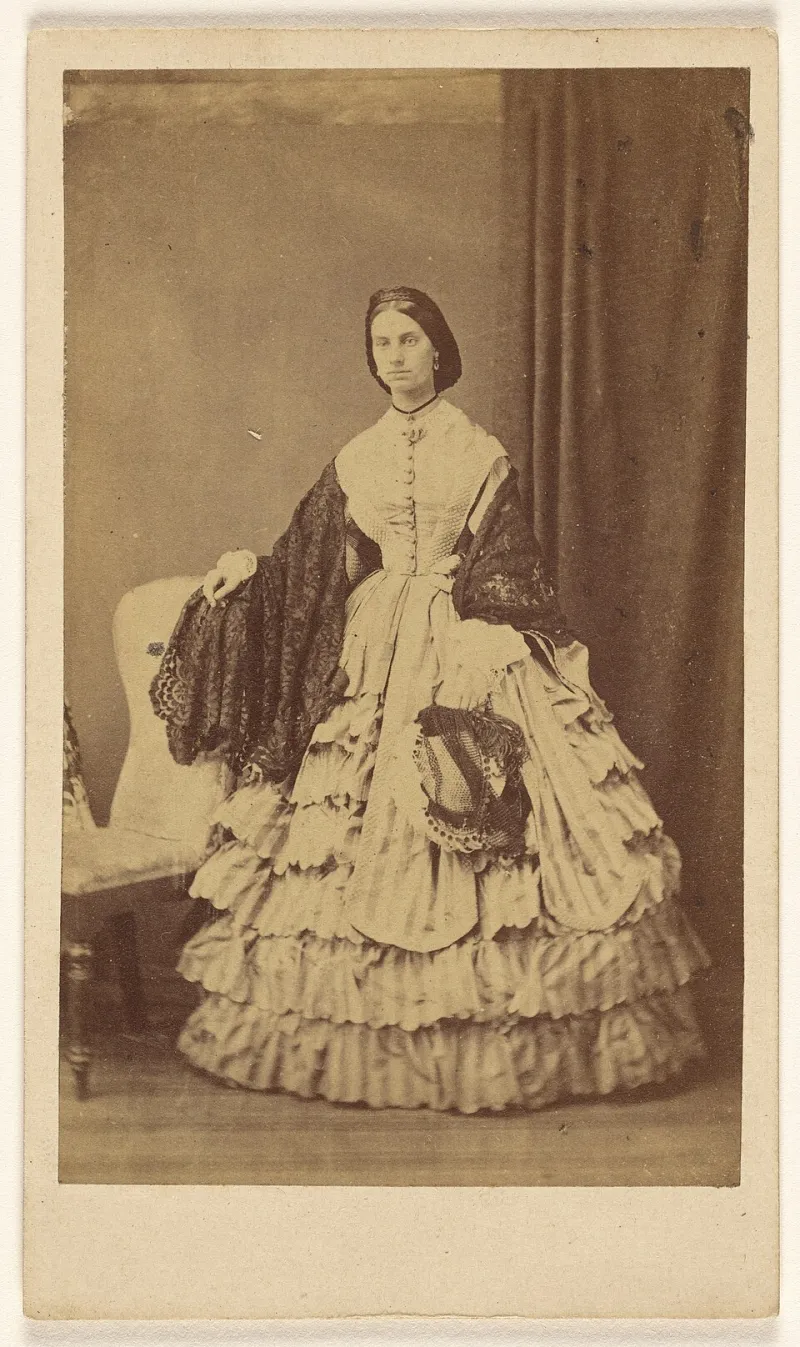
Photo: Alexander Anderson, CC0, via Wikimedia Commons
Winter has a way of making the rest of the outfit disappear. You spend twenty minutes on the knit, the trousers, the boots, and then you put on a coat and walk out the door. From the street, from across the room, from every photo taken between November and March, the coat is the outfit. Everything else is supporting cast.
I do not say that to make anyone feel bad about their coat. I say it because it is useful. Once you accept that outerwear is doing most of the visible work, you can stop treating it like a last-minute accessory and start treating it like the main character of your cold-weather wardrobe.
Why the coat carries the whole look
A coat covers more of your silhouette than any other single piece. It sets the color story. It decides the shoulder line. It tells people whether you are walking into a meeting or a snowstorm. If the coat is wrong, the outfit underneath rarely recovers. If the coat is right, almost everything underneath gets a little better.
This is why I design around outerwear first in winter. The coat is not the thing you grab on the way out. It is the decision that makes the rest of the decisions easier.
Proportion: the hemline decides everything
The first thing to get right is proportion. A coat hem is like a crop line — it changes the way the whole body reads. A long coat over cropped trousers looks intentional. A midi coat over straight jeans looks easy. A short puffer over wide-leg trousers can be excellent, but it has to be balanced with a cleaner shoe or a closer-fitting layer underneath.
I look at three measurements before I buy a winter coat: shoulder, sleeve, and hem. The shoulder should let you layer a sweater without pulling. The sleeve should end where you want your gloves or jewelry to start. The hem should work with the boots you actually wear, not the boots you wish you wore.
One volume rule helps: let one thing be big. If the coat is oversized, keep the lower half cleaner. If the coat is sharp and fitted, you can play with a wider trouser or a fuller skirt. The coat is already making a statement. You do not need every other piece to shout.
Fabric: what holds its shape
Fabric is where a coat earns its keep. Wool melton is dense and forgiving. A cashmere blend feels luxurious but needs enough wool content to keep its shape. Recycled down and technical shells are not less stylish — they are the right answer for real weather. Waxed cotton has a beautiful patina if you are willing to maintain it. Bouclé is textural and soft, but it can pill and sag if the construction is not there.
Check the lining. Check the seams. Check whether the coat has enough structure to hold a shoulder without feeling like armor. A good coat should feel like a room you want to spend time in.
For a more conscious purchase, read the fiber content and ask whether the coat can be repaired. Can the lining be replaced? Can the buttons be reattached? Can the hem be taken up or let down? A coat that can be maintained is a coat you can keep for a decade.
Color: one decision that does the work
Color is the fastest way to make a coat feel like a choice instead of a default. Camel, charcoal, navy, and olive are the workhorses. Burgundy, forest green, and a clear true red are the pieces that make people ask where you got them. A statement coat does not have to mean neon. It can mean a color that is saturated enough to carry the whole look.
If the coat is the color story, keep everything else quiet. Let the boots be simple. Let the bag be small. Let the knit be a texture instead of a second headline. If the coat is neutral, you can have more fun underneath — but the coat still sets the temperature.
Three silhouettes worth building around
First, the tailored wool topcoat. This is the workday and evening coat. Look for a clean shoulder, a hem that hits at or below the knee, and enough room for a thin knit. Double-breasted or single-breasted both work; choose the one that feels like your posture.
Second, the oversized cocoon or robe coat. This is the weekend coat, the travel coat, the one you throw over a hoodie or a slip dress and somehow both work. Keep the volume intentional. If it swallows you, size down or look for a version with a stronger shoulder.
Third, the technical puffer or parka. This is the coat for actual weather — the commute, the school run, the trip where you will be outside for hours. It does not have to be ugly. Look for a matte finish, a flattering length, and a hood that does not fight your hair.
Workday, weekend, evening
For a workday, I like a tailored topcoat over a thin turtleneck, straight tailored trousers, and a boot with a low heel. A structured bag finishes it. The coat does the authority; the rest does the comfort.
For a weekend, I reach for the puffer or the cocoon coat with straight-leg denim, a heavy cotton tee, sneakers, and a crossbody. Add a beanie if it is genuinely cold. The point is not to look like you tried too hard. The point is to look like you know how to be outside.
For an evening, a long coat over a slip dress or a slim column skirt is one of the easiest winter formulas there is. Add heeled boots, a small bag, and one piece of jewelry that catches the light. The coat stays on. That is the whole point.
The conscious coat checklist
Before I add a coat to my closet, I ask four questions. Will I wear this at least thirty times this winter? Does it fit over the sweaters I actually own? Can it be repaired or altered? Does it work with at least three pairs of shoes I already have? If the answer is no to two or more, I wait.
A coat is a commitment. It takes up space. It sets the tone for everything you wear for months. That is exactly why it deserves more thought than the thing you grab on your way out the door.
Care is part of the look
Brush wool after wearing it. Hang it on a sturdy hanger. Let it breathe. Spot-clean instead of dry-cleaning every time. Store it clean at the end of the season. Repair the lining before it tears. A coat that is cared for looks more expensive than a coat that is simply new.
The main character of winter is hanging by the door. Treat it like it.