One Season, Small Labels: What a Year of Boutique-Only Shopping Really Showed Me
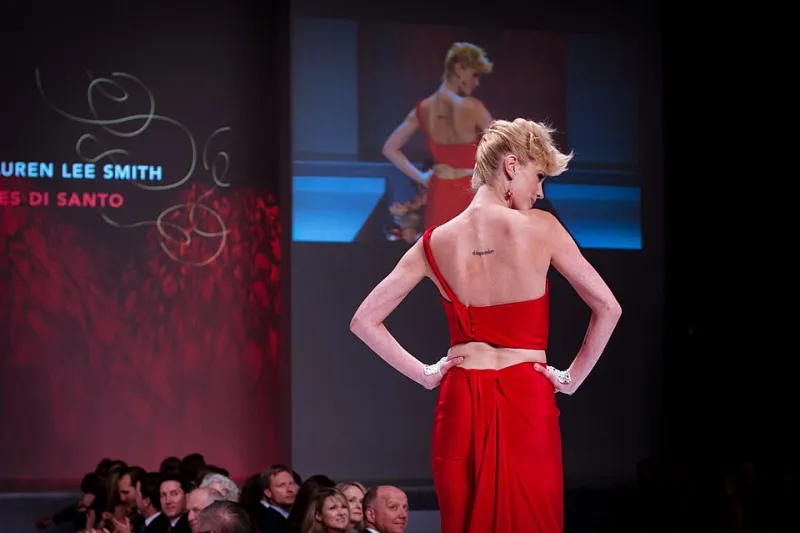
Photo: Jason Hargrove from Toronto, Canada, CC BY 2.0, via Wikimedia Commons
Last spring, I made myself a deal: for one full season, no fast fashion. If I was going to buy anything new, it had to come from an independent designer, a small label, or a boutique where the person at the register could tell me who made my clothes.
I expected it to be expensive. I expected it to be inconvenient. What I didn't expect was how completely it rewired the way I look at every garment in my closet — including the ones I already owned.
The First Thing You Notice: Someone Actually Made This
The difference hits you before you even get to the fitting room. At my local shop here in Portland, the owner pulled a blouse off the rack and turned it inside out to show me the French seams before I'd even asked. When has a big-box store ever done that?
When you buy from a small label, the garment comes with context. The designer might tell you the fabric came from a family-run mill in the Carolinas, or that the pattern took six fittings to get right. That story isn't marketing fluff — it's accountability. You start to understand why the dress costs $180 instead of $38, and suddenly the $38 dress starts to look like what it often is: a garment someone was underpaid to make quickly.
Construction Is the Quiet Tell
Here's where my designer brain kicked in. Over the season, I bought eleven pieces — a wool coat, two pairs of trousers, a bias-cut slip dress, among them — and I compared each against its fast-fashion equivalent from years past.
The differences were in the details you feel more than see:
- Seam allowances generous enough to let the garment be altered later
- Pattern matching at side seams and pockets, so plaids and stripes actually line up
- Buttons backed with proper reinforcement instead of decorative stitches that pop on the second wear
- Fabric weight that drapes instead of clinging
My old fast-fashion blazer fit fine for about three wearings. Then the shoulder pads warped in the wash and the lining shredded at the cuff. The boutique version, now a year in, still looks like it did on day one. That's not luck. That's design.
The Cost-Per-Wear Math Nobody Runs
I tracked every purchase for the season, because of course I did. The boutique pieces averaged about four times the upfront cost of what I'd usually buy. But when I ran cost-per-wear projections based on how often I actually reach for things, the numbers flipped by month four.
The real shift wasn't financial, though. It was emotional. When a garment costs a meaningful amount and someone you've met made it, you take care of it. You hang it properly. You get the loose button fixed instead of tossing it in the repair pile. You wear it more often because you want the cost per wear to drop — and that repetition teaches you what you actually like to wear.
The Relationship Part No One Talks About
Small shops know your name. They know your measurements, your fit quirks, the fact that you hate cap sleeves. When I mentioned I couldn't find trousers that worked with my proportions, the boutique owner introduced me to a local designer who does custom waistbands. That never happens at a mall.
This is the part I'd underestimated: shopping small isn't a transaction, it's a relationship that keeps giving back. Alterations get recommended honestly. Restocks get held for you. You become a person, not a conversion metric.
What I'd Tell You to Try
You don't have to go full boutique-only like I did. Start with one category — maybe it's denim, maybe it's your winter coat — and buy your next piece from a small American label or local shop. Wear it for a month. Then go touch something fast fashion and notice what your hands tell you.
That's the real lesson of my season: quality isn't abstract. Once you've felt it, you can't unfeel it. And every garment in your closet after that gets judged by a higher standard — which is exactly how it should be.