Should You Fix It or Forget It? The Real Math Behind Getting Something Tailored
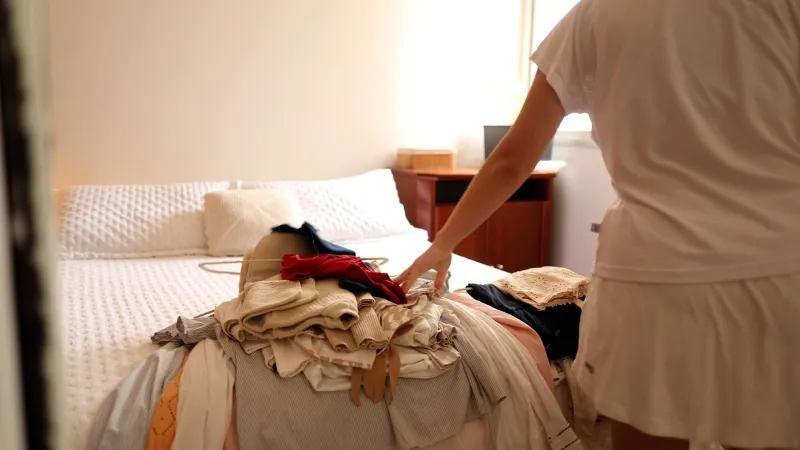
There's a specific kind of wardrobe paralysis that hits when you're standing in front of something that almost fits. A blazer with sleeves that run a half-inch too long. Trousers that gape at the waist but fit perfectly everywhere else. A thrifted silk blouse with a broken zipper and a dart that needs repositioning. You know the feeling — the piece is so close, but close doesn't actually get you dressed in the morning.
So you think: I'll get it altered. Simple.
Except it's not always simple. And honestly, the question of whether to tailor something is one of the most underrated decisions in building a wardrobe that actually works for you.
The Sticker Shock Nobody Warns You About
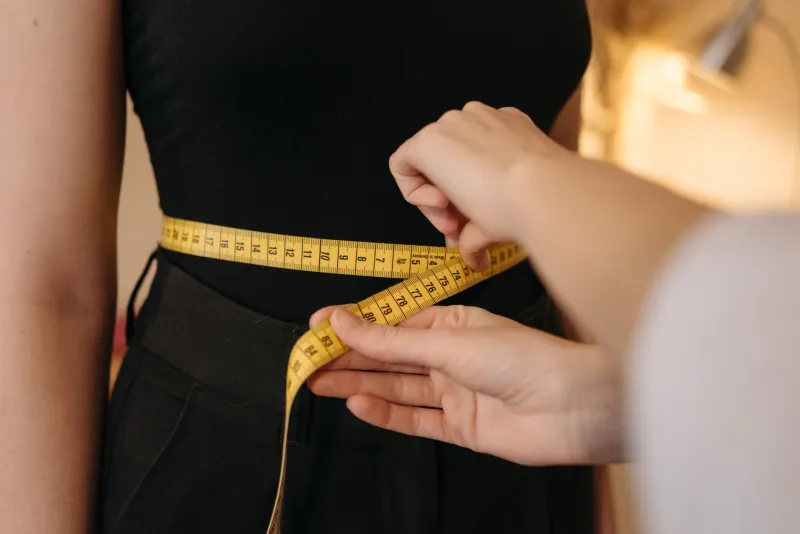
Let's start with the numbers, because they matter more than most people expect. A basic hem on a pair of pants runs anywhere from $15 to $40 depending on where you live and what kind of fabric you're dealing with. Taking in a blazer at the sides? That can easily run $80 to $150. Replacing a zipper on a structured coat? Budget $50 to $100. Resizing the waist on a pair of trousers while keeping the seat and thighs intact — a common ask — can cost $60 or more at a skilled shop in most US cities.
None of that is unreasonable. Tailoring is skilled labor, and skilled labor deserves fair compensation. But here's where people get tripped up: they make the decision to alter something without ever doing the math first. A $25 thrift store find that needs $120 in work isn't a bargain anymore — it's a $145 gamble.
And yet, that same $145 spent on a $90 secondhand blazer that needs $55 in alterations? That might be the smartest shopping decision you make all year, especially if the piece is well-constructed and fits your life for the next decade.
The cost of the alteration isn't the problem. The problem is not accounting for it upfront.
The Fast Fashion Trap Hiding in Plain Sight
Here's where the ethics layer gets interesting. When a piece needs tailoring and you balk at the cost, the temptation is to replace it entirely — especially if the fast fashion version of that item is sitting on a rack for $35. But that "cheaper" option comes with its own hidden costs: lower quality construction that won't hold alterations well anyway, synthetic fabrics that wear out faster, and the environmental weight of a garment that'll end up in a landfill within a couple of years.
When you frame alterations against the true cost of replacing something — factoring in quality, longevity, and what it costs the planet — the math often shifts. A well-made piece that fits you after a $60 alteration will likely outlast three or four cheaper replacements. That's not just better for your closet. It's a more honest accounting of what you're actually spending.
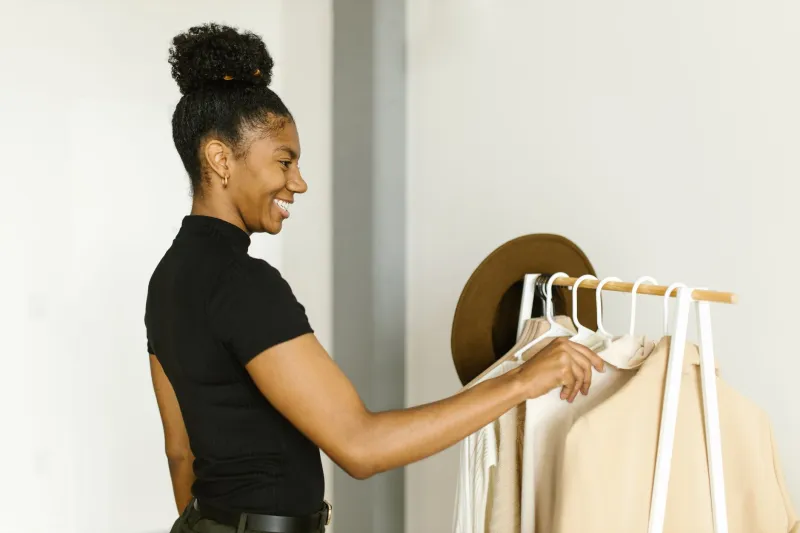
This is where conscious dressing stops being a vibe and starts being a practice. It's asking: what is this piece actually worth over time, and am I making a decision based on real value or just immediate sticker shock?
How to Know If a Piece Is Worth the Investment
Not everything deserves to be saved. Here's a loose framework I've found useful:
Check the construction first. Turn the piece inside out. Are the seams finished? Is there extra fabric in the seam allowance for a tailor to work with? A garment with half-inch seams and no finishing has limited alteration potential. One with generous seams and good stitching can be reworked significantly.
Ask whether the fit issue is structural or surface-level. Hemming sleeves is surface-level — fast, relatively affordable, low-risk. Recutting a shoulder or repositioning a bust dart is structural — it requires more skill, more time, and more money. The bigger the structural change, the more you need to love the piece to justify it.
Be honest about the fabric. Silk, wool, and quality cotton respond beautifully to tailoring. Cheap polyester blends often don't hold alterations well, and the finished result can look worse than when you started. If the fabric feels like it's already struggling, that's information.
Think in cost-per-wear. If you'll reach for this piece twice a week for three years, divide the total cost (purchase price plus alterations) by the number of times you'll wear it. Suddenly that $145 blazer costs less than $1 per wear. That reframe changes everything.
Finding a Tailor You Actually Trust
This part is as important as the math. A bad alteration can ruin a great piece, and a great tailor can resurrect something you'd written off entirely.
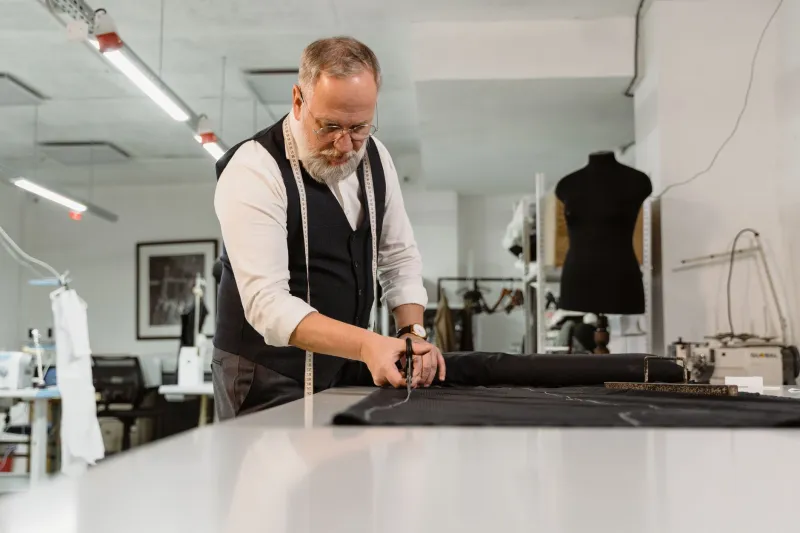
Word of mouth is still the gold standard. Ask friends whose clothes always seem to fit well — there's usually a person behind that. Local dry cleaners often do alterations, but quality varies wildly. A dedicated tailor or alterations shop, especially one with a visible portfolio or longtime neighborhood presence, is usually worth the slightly higher price.
When you bring something in, ask questions. Can they show you what the finished alteration will look like? Do they have experience with this specific type of garment? Are they transparent about cost before they start? A tailor who gives you a real consultation — not just a quick glance and a price — is one who respects both the garment and your time.
Also: bring the shoes you'll wear with it. Seriously. Hem length changes everything, and you want to get it right the first time.
Letting Go Without the Guilt
Sometimes the honest answer is that a piece isn't worth altering, and that's okay. Not every garment is meant to stay in your life forever. If the alteration cost exceeds what the piece is worth to you — practically or emotionally — letting it go is a valid choice. Donating it, reselling it, or passing it on to someone it fits better is its own form of conscious decision-making.
What I want to push back on is the guilt-driven alteration — the "I should fix this" energy that has nothing to do with whether you'll actually wear the piece afterward. Alterations are a tool, not a moral obligation. They exist to serve your wardrobe, not to redeem every imperfect purchase you've ever made.
The goal isn't to save everything. It's to make clear-eyed decisions about what deserves your attention, your money, and your closet space — and then actually follow through.
That's the real work of dressing intentionally. Not perfection. Just honesty.