Your Color Story Is a Values Statement — Here's How to Read It

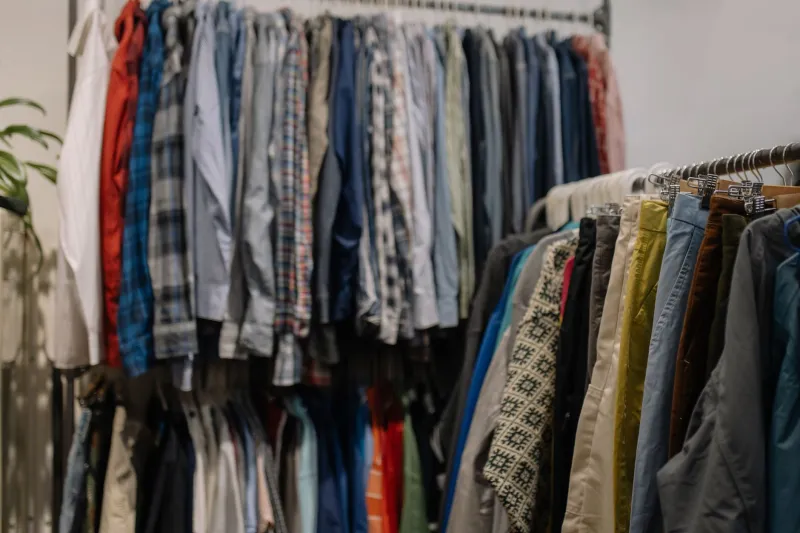
Photo by Photo by El Swaggy on Unsplash on Unsplash
Every January, the color forecasting machine cranks up. Pantone announces The Color of the Year. Runway recaps get color-coded. Retailers flood their floors with whatever shade the trend cycle has decided is this moment's defining hue. And somewhere in the middle of all that noise, most of us just... follow along. We buy the sage green because it's everywhere. We avoid yellow because someone told us it's hard to wear. We default to black because it's safe.
But here's what that system never asks you: What colors actually feel like you?
That question sounds simple. It's actually one of the most revealing things you can sit with, because the colors you're genuinely drawn to — not the ones you think you should wear, not the ones that photograph well, but the ones that make you feel like yourself — say something real about your values, your personality, and the kind of presence you want to have in the world.
The Psychology Is Real, But It's Not That Simple
Color psychology gets oversimplified constantly. Blue means calm. Red means power. Green means nature. These associations are real at a broad cultural level, but they flatten something that's actually much more nuanced and personal.
Your relationship with color is shaped by memory, culture, and lived experience in ways that no trend report can account for. The woman who loves deep burgundy might associate it with her grandmother's kitchen, or with a confidence she discovered in her thirties. The person who gravitates toward undyed natural tones might be drawn to them because of an environmental value system, or simply because those colors feel like rest.
The point isn't to decode the symbolism of every shade. The point is to notice what you're actually reaching for — and why — rather than outsourcing that decision to a forecasting agency in New York or Paris.
Trend Color vs. True Color: Knowing the Difference
Here's a useful exercise. Go to your closet right now and look at what's actually there — not what you meant to build, but what you actually bought and kept and wear. What colors dominate? Are they colors you consciously chose, or colors that snuck in because they were everywhere in stores during a particular season?
Now look at the pieces you love most. The ones you reach for first. The ones that make getting dressed feel easy. What color are they?
For a lot of people, there's a gap between those two things. The closet is full of trend colors — dusty pinks from a few years ago, terracotta from the early 2020s, whatever pantone shade just had its moment — and the most-worn pieces are the ones in colors that have always felt right, regardless of whether they were "in."
That gap is information. It's telling you where you've been shopping from the outside in rather than the inside out.
How Sustainable Fashion Changed the Color Conversation
One of the quieter shifts that's happened in the conscious fashion space over the past decade is a move away from high-chroma, trend-driven color and toward palettes that feel more grounded and enduring. This isn't accidental.
Natural dyes — derived from plants, minerals, and other organic sources — produce colors with a softness and depth that synthetic dyes often can't replicate. They also tend to produce colors that feel cohesive with each other, because they come from the same natural world. Earthy ochres, soft indigos, warm terracottas, muted greens. These aren't just aesthetically pleasing together; they're a byproduct of a more ethical production process.
Brands working with natural dyes are also, by necessity, working with colors that vary slightly batch to batch — which means they're not chasing perfect Pantone matches. There's a humility in that. A willingness to let the material lead. And the colors that result often feel more authentic precisely because they weren't engineered to match a trend deck.
When your color choices align with your values around sustainability, something interesting happens: your palette becomes more cohesive almost automatically, because you're shopping from a smaller, more intentional pool of options.
Building a Personal Color Story
A personal color story isn't a rigid set of rules. It's more like a recurring theme — the colors that show up again and again because they genuinely resonate, and that work together to create a wardrobe that feels unified rather than chaotic.
To find yours, start by looking beyond your closet. What colors do you gravitate toward in your home? In the art you hang? In the places you feel most at ease? These preferences are data. They're pointing you toward something consistent in your aesthetic sensibility that transcends whatever's on the rack at the moment.
From there, you can start to articulate a loose palette — maybe three to five colors that feel like you across seasons. This doesn't mean you can only wear those colors. It means you have an anchor. A home base. And when you're standing in a store or scrolling through a website, you have a clearer filter for what actually belongs in your wardrobe versus what's just pulling at you because it's new.
Color as a Form of Self-Expression That Doesn't Apologize
There's a particular kind of pressure in American fashion culture to be palatable. To wear colors that are "universally flattering" or "professionally appropriate" or "not too much." And while context matters — nobody's arguing you should wear neon to a job interview unless that's genuinely your field — there's a lot of space between strategic dressing and erasing yourself entirely.
The colors you wear communicate something before you say a word. They're part of how you show up. And choosing them with intention — from your actual values and preferences rather than from fear of standing out or a desire to fit the trend cycle — is a quiet but real form of self-possession.
That's not vanity. That's clarity.
When someone has a strong, coherent color story, you notice it. Not because they're wearing something loud, but because everything they wear feels chosen. Deliberate. Like it belongs to a larger whole. That's the goal: not a perfect wardrobe, but a legible one. One that reflects something true about who you are.
Start the Conversation With Yourself
The color conversation nobody's having isn't about what shades are trending or what your skin tone can "handle." It's about what colors make you feel like yourself, and why that matters more than any forecast.
Start paying attention. Notice what you reach for, what you avoid, and what you wish you wore more of. Let your preferences lead rather than following the industry's seasonal reset. Build a palette that's yours — one that coheres across years rather than seasons, that feels grounded in something real, and that you never have to explain or justify.
That's the color conversation worth having. And it starts with you.