The Counter Knows: What Your Dry Cleaner Could Tell You About Your Wardrobe

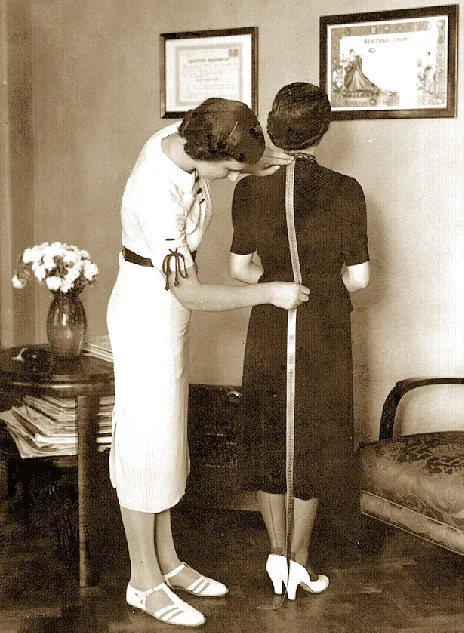
Photo: Basher Eyre , CC BY-SA 2.0, via Wikimedia Commons
The dry cleaner on my block has been in the same family since the late nineties. There's a laminated sign about pickup hours, a rack of ghostly plastic, and a man named Victor who remembers every garment I've brought in for the last six years. Including the ones I regret.
Last month I asked him what he notices about the clothes people bring him. He laughed, then talked for forty-five minutes. What follows is a version of that conversation, plus the practical advice I took home.
The wardrobe intelligence hiding behind the counter
A dry cleaner sees your clothes in a way you never do: unbuttoned, inside out, under bright light, examined by hand. They see the armpit stains and the hem that's fraying and the lining that's given up. They see the same coat, over and over, in every season. They know which customers are cycling through fast fashion and which are wearing the same five garments beautifully for a decade.
"People think we only see stains," Victor told me. "We see habits."
The fabrics that fail first
His list of repeat offenders was remarkably consistent.
Acetate and triacetate. Beautiful drape, terrible durability. It yellows under the arms, it hates heat, and once it starts to go, it goes fast. A lot of mid-priced occasion wear is acetate pretending to be silk.
Rayon and viscose. Shrinks, stretches, and loses its shape after a few cleanings. Often labeled dry clean only because the manufacturer is hedging, not because the fabric can't handle water.
Thin silk chiffon. Tears at the stress points within a season if it's been cut without seam allowance.
Anything with glued interfacing. Often found in fast-fashion blazers and some mid-tier jackets. The glue fails after a few years and the front panel bubbles permanently. There is no fix.
Beaded and embellished pieces. Not a fabric failure, exactly, but the thread holding the beads on is usually cheap. A dry cleaner's agitation can loosen it faster than wearing it will.
What holds up? Wool with a tight weave, linen that was never treated to feel soft, cotton with a decent thread count, and anything with real seam allowances.
The stains we all wait too long on
Victor's most frequent confession from customers: "I didn't want to make it worse." So they put the garment in a bag and wait three months.
Oil and grease set in about 48 hours. Protein stains — sweat, dairy, blood — set faster in heat. Red wine is actually more forgiving than people think if it's blotted and treated the same day. Deodorant buildup is the quiet killer: it oxidizes over months and turns into a stiff yellow patch that no cleaner can fully lift.
The rule I now follow: treat what you can at home within the hour, and get anything you can't handle to a professional within a week. Waiting is the expensive choice.
Most of us are over-cleaning
Here's the part that surprised me most. According to Victor, a large share of what comes through his door doesn't need to be there.
Wool suiting doesn't need cleaning after every wear — it needs airing. A suit worn once should hang on a broad wooden hanger, brushed, and left alone for 24 hours. Spot-clean the collar and cuffs. Clean it two or three times a season, not twelve.
Cashmere should be hand-washed in cool water, not dry-cleaned to death. Denim should be washed rarely and inside out. Silk blouses benefit from a gentle hand wash more often than people believe.
Every dry cleaning cycle is a small abrasion. Solvent, agitation, pressing — each one takes a little life out of the fiber. Over-cleaning is one of the most invisible ways we wear clothes out before their time, and it's also the most expensive.
Read the label — then use judgment
"Dry clean only" is a manufacturer's protection, not a fabric truth. Many garments carry that label because the brand doesn't want to test what happens in a washing machine. That doesn't mean you should ignore it, but it does mean you should understand what you're overriding.
My working order of operations: read the fiber content first, then the care label, then assess the construction. A lined wool jacket with structured shoulders goes to the cleaner. An unlined silk slip dress with no interfacing can usually handle a cold hand wash.
When in doubt, test on an inside seam with a damp white cloth.
The habits that actually extend life
- Brush wool after wearing, before it goes back in the closet.
- Hang garments with breathing room. Cramming is abrasion.
- Store clean. Moths and stains both love a dirty garment in a dark place.
- Fold knits; don't hang them.
- Keep cedar nearby, but know that it repels, it doesn't kill.
- Empty pockets and re-button before dropping anything off — it's a small courtesy that adds years.
What conscious design owes the aftercare
As a designer, this is the part I keep coming back to. We spend months on a fit and minutes on a care label. We hand people garments with no instructions for keeping them alive, then act surprised when they end up in a landfill in eighteen months.
The most radical thing a wardrobe can do in 2026 is simply last. That's not glamorous. It's just a coat you still wear in a decade because you aired it, spot-cleaned it, and didn't send it to the cleaner every third wear.
Victor put it better. "The clothes that last," he said, "are the ones people pay attention to."